 From fixing up all the minor repairs to cleaning the house top-to-bottom, there are a lot of small details that go into organizing the perfect open house. However, in the rush to organize everything, there are a number of to-do’s that are easy to forget about. If you’re currently prepping your home and don’t want to miss the important stuff, here are some things you should contemplate before setting the date.
The Outside Look
The first thing potential homebuyers will notice when they arrive at your home is the outside, and that’s why it’s so important not to neglect it. Before organizing your open house, make sure the lawn is mowed, any unsightly hedges are trimmed and that your entrance area and flowerbeds are well maintained. Since potential homebuyers will see the outside before anything else, there’s no sense in losing them for having a disheveled lawn before they’ve even walked through the door.
Effectively Market The Event
Many home sellers want to believe that their house will sell itself, but if no one knows about your open house or bothers to show up, there’s no chance of getting any offers. While your real estate agent should be featuring your home on their website, you may also want to hand out flyers to your neighbors and make a few posts on social media sites like Twitter and Facebook to get the word out. There are no assurances when it comes to drumming up interest, but spreading the word with as many people as possible will likely find a few interested parties.
Use The Five Senses
It may not be the most common advice, but engaging potential buyers on a number of different levels can actually enhance the appeal of your home. Playing a little music can be a good way to make them feel comfortable, and you may want to do a little baking beforehand since the sense of smell can have a powerful impact. It may seem a little bit quirky, but there’s nothing to make people feel comfortable and at home like the scent of freshly baked treats and a little music.
There’s plenty of cleaning and organizing when it comes to an open house but it’s also important to look at the big picture when it comes to prepping for your home showing. If you’re nearly ready to put your home on the market, contact your local mortgage professional for more information.
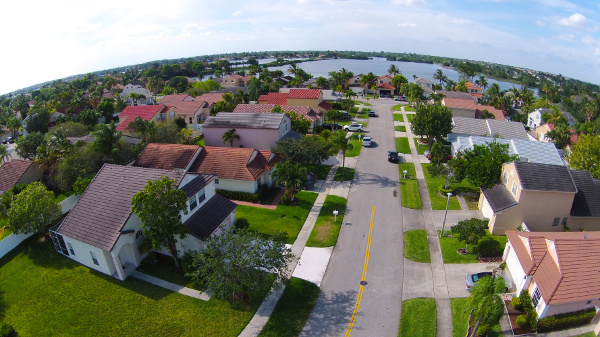 From finding the right agent to discovering the home you can truly feel comfortable in, there are a variety of things involved in the home buying process. However, it’s important not to get caught up in the home and ignore altogether the community you’ll be living in. If you’re planning a move to a new neighborhood, here are some things you should look into before putting in an offer.
 The call of fancy vacation locations and the additional earnings that can come along with this type of home may appeal to many homebuyers, but a lot of time and money can go into maintaining a second property. If you’re currently considering a vacation home for your own use or as a potential investment, here are a few factors to consider before jumping into the fray of a long distance home.