Jeff Cost

Cincinnati Home Loan

  • Home
  • About
    • About Us
    • Privacy Policy
  • Blog
  • Resources
    • First Time Seller Tips
    • First Time Buyer Tips
    • Home Appraisal
    • Loan Checklist
    • Loan Programs
    • Loan Process
    • Mortgage FAQ
    • Mortgage Glossary
    • Get a Rate Quote
    • What to Expect at a Loan Closing: A Step-by-Step Guide
  • Apply Now
    • Online Application
    • Home Purchase
    • Home Refinance
    • Loan Comparison
  • Reviews
    • Leave a Review
  • Contact

Pros And Cons Of Buying A Foreclosure

June 5, 2018 by Jeff Cost

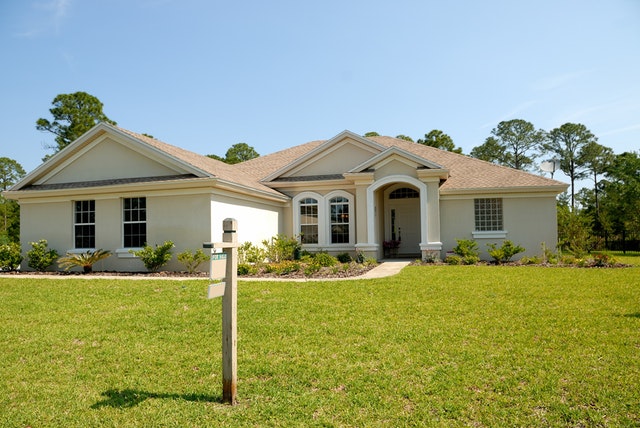
Pros And Cons Of Buying A ForeclosureWhen a homeowner stops making regular mortgage payments, the bank can foreclose on the property. This means that the bank takes possession of the property in an attempt to recover the debt the homeowner owes. In some cases, the bank may try to recover this debt by selling the property at auction. In other cases, the bank will simply list the foreclosed home for sale.

Choosing to purchase a foreclosed home has both advantages and disadvantages for the buyer. Weighing these advantages and disadvantages carefully is essential.

Pros of Buying a Foreclosure

When you decide to buy a foreclosure, you will be working with a seller that is inherently more motivated. The longer the bank owns the property, the more money they lose. For this reason, banks are often more willing to negotiate on all of the terms of the sale, including the price, closing costs and other important factors.

Buying a foreclosure also ensures that you are getting a house that is already vacant, so you can move in whenever you are ready. In addition, you can be sure that the title on the home is clear.

In most cases, you will be able to finance a bank-owned foreclosure with a mortgage, and you will be able to obtain an inspection if you want one.

Cons of Buying a Foreclosure

Buying a foreclosure also comes with disadvantages. For example, banks usually require additional paperwork when you are purchasing a foreclosed home.

In addition, most banks will refuse to complete any repairs on the home before the purchase. Most foreclosed homes are sold as-is, which means you may have to repair some problems or do some updates after you buy the home.

Finally, because the bank has only owned the home a short time, they cannot provide comprehensive disclosures related to the property’s current condition or history. This means that you may end up purchasing a home without being fully aware of the problems you’ll need to address.

Making a Choice

Buying a foreclosure isn’t the right option for every buyer. However, if you are a careful shopper, potential benefits are available.

Before making an offer on a foreclosed home, be sure to consult an experienced mortgage professional to get your pre-approval in order so you can complete the purchase quickly if you choose to move forward.

 

Filed Under: Mortgage Tagged With: Foreclosure, Mortgage, Pre-Approval

What’s Ahead For Mortgage Rates This Week – June 4th, 2018

June 4, 2018 by Jeff Cost

What’s Ahead For Mortgage Rates This Week – June 4th, 2018Last week’s economic reports included readings on Case-Shiller home prices, pending home sales and construction spending. Weekly readings on mortgage rates and new jobless claims were released, along with monthly labor-related reports on job creation and the national unemployment rate.

Case-Shiller: Home Prices Maintain Rapid Growth

S&P Case-Shiller home price indices for March showed home prices continued to grow at blazing rates. Seattle, Washington held on to first place with a seasonally-adjusted annual rate of 13.00 percent; Las Vegas, Nevada reported 12.40 percent growth in home prices in March.

Analysts said Las Vegas markets benefitted from homebuyers relocating from high-priced coastal areas. Las Vegas home prices were 25 percent below their housing bubble peak. San Francisco reported year-over-year home price growth of 11.40 percent

Home prices were driven by short supplies of homes for sale and high demand among buyers, which led to bidding wars in high-demand areas. Rapidly rising home prices sideline first-time and moderate-income buyers who face hurdles of affordability and strict mortgage approval requirements.

While real estate pros and economic analysts expected home price growth to reach a tipping point where demand for homes would slow down, it hasn’t happened yet. Strong economic conditions and jobs data provided first-time buyers incentives to transition from renting to owning.

Pending Home Sales Slow in April

Pending home sales, which are sales under contract but not yet closed, dropped by -1.30 percent in April as compared to the March reading of 0.60 percent. Severe winter weather contributed to the lag, but analysts said severe shortages if available homes squeezed would-be buyers to the sidelines as they waited for more buying options. The National Association of Realtors® said that April’s reading was the third consecutive month of lower pending home sales.  

Construction spending rose by 1.80 percent in April and surpassed expectations of a one percent increase and the negative March reading of -1.70 percent. This could be a hopeful sign if accelerated spending is due to growing construction projects, but ongoing concerns over increased materials and labor costs may have contributed to builders’ cash outlay.

Mortgage Rates, Weekly Jobless Claims Fall

Mortgage rates eased last week, with average rates lower across the board. Freddie Mac reported the rate for a 30-year fixed rate mortgage fell by 10 basis points to 4.56 percent. The average rate for a 15-year fixed rate mortgage was nine basis points lower at 4.06 percent; rates for 5/1 adjustable rate mortgages averaged 3.80 percent and were seven basis points lower. Discount points averaged 0.40 percent for fixed rate mortgages and 0.30 percent for 5/1 adjustable rate mortgages.

First-time jobless claims fell last week to 221,000 claims filed. Analysts expected 225,000 new claims filed based on the prior week’s reading of 234,000 new claims filed. May payroll reports supported stronger labor markets as ADP reported 178,000 jobs added as compared to 163,000 private-sector jobs added in April. Non-farm payrolls, which measure private and public-sector job growth, rose by 223,000 jobs in May as compared to 159,000 jobs added in April. The highlight of May labor reports was an 18-year low of 3.80 percent national unemployment rate for May.

What‘s Ahead

This week’s scheduled economic reports include readings on job openings, mortgage rates and new jobless claims.

Filed Under: Financial Reports Tagged With: Case Shiller, Financial Reports, Interest Rates

How To Qualify For An FHA Loan

June 1, 2018 by Jeff Cost

How To Qualify For An FHA LoanBorrowers who cannot qualify for a conventional mortgage are often able to obtain an FHA loan. However, to secure this type of loan, you must still meet certain requirements.

What Is an FHA Loan?

FHA loans are mortgage loans that are backed by the Federal Housing Administration. It is designed to help borrowers who are unable to meet the requirements for a conventional mortgage or other types of financing. These loans can be used to purchase single-family and multi-family homes.

What Are the Requirements for an FHA Loan?

When you apply for an FHA loan, the underwriter will consider many of the same characteristics considered when you apply for a convention loan, including:

  • Your credit rating
  • Your income
  • Your outstanding debts
  • Your down payment
  • The value of the home you intend to purchase

In order to qualify for an FHA loan, you must have at least a minimum credit score. However, the minimum credit score for FHA loans is much lower than the minimum imposed on conventional mortgage applicants. This allows more borrowers to qualify for financing.

Before approving your application, the underwriter will compare your revolving debts to your gross income to calculate your debt-to-income ratio. Your debt-to-income ratio must be below a certain threshold to qualify. However, this threshold is higher than the threshold typically imposed for conventional loans.

The underwriter will also want to see proof of your income, as well as evidence that your income is reliable and likely to continue. In addition, the underwriter will review an appraisal of the property to ensure that your loan amount is appropriate.

In general, FHA loans allow a much lower down payment than a conventional mortgage. Many borrowers will be able to obtain an FHA mortgage with only a 3.5 percent down payment. However, if your credit score is below a certain threshold, you may need a larger down payment.

Things to Consider

Although an FHA loan has less stringent qualification requirements than a conventional mortgage, there are also drawbacks. For example, you will be required to pay an upfront mortgage insurance premium and a monthly mortgage premium.

Like other mortgages, FHA loans offer a variety of loan terms, including 10, 15, 20 and 30 years. Both fixed rate and variable rate options are available as well.

To determine whether an FHA mortgage is right for your needs, contact your trusted mortgage professional.

Filed Under: Mortgage Tagged With: FHA, Financing, Mortgage

  • « Previous Page
  • 1
  • …
  • 674
  • 675
  • 676
  • 677
  • 678
  • …
  • 1256
  • Next Page »

Jeff Cost
Sr. Loan Officer

Cincinnati, OH Mortgage Lender
NMLS# 21688


jeffrey.cost@ccm.com

Call (513) 403-6260
Fax (941) 567-5222

Cross Country Mortgage

How can I help?

Connect with Me!

Browse Articles by Category

The Latest Articles

  • Why Small Financial Changes Can Delay Your Closing
  • How a Co-Borrower Can Strengthen Your Mortgage Application
  • What to Do Financially During the 30 Days Before Closing
  • What Lenders Mean When They Ask for Updated Financial Documents
nmlsconsumeraccess.org
Equal Housing Lender

Our Location

CrossCountry Mortgage, LLC
4050 Executive Park Drive, Suite 220
Cincinnati, OH 45242

Personal NMLS21688 Branch NMLS2458257
Company NMLS3029

Copyright © 2026 · Powered by MySMARTblog

Copyright © 2026 · Genesis Sample Theme on Genesis Framework · WordPress · Log in