
Jeff Cost

Cincinnati Home Loan

  • Home
  • About
    • About Us
    • Privacy Policy
  • Blog
  • Resources
    • First Time Seller Tips
    • First Time Buyer Tips
    • Home Appraisal
    • Loan Checklist
    • Loan Programs
    • Loan Process
    • Mortgage FAQ
    • Mortgage Glossary
    • Get a Rate Quote
    • What to Expect at a Loan Closing: A Step-by-Step Guide
  • Apply Now
    • Online Application
    • Home Purchase
    • Home Refinance
    • Loan Comparison
  • Reviews
    • Leave a Review
  • Contact

Guide To Buying An A-Frame House

August 3, 2018 by Jeff Cost

Guide To Buying An A-Frame HouseA-Frame houses have spiked in popularity over the last couple of years. These adorable homes can be quirky or sleek and modern. They are shaped like a triangle — hence the name. A-Frame houses are shaped like the letter A. The walls begin near the foundation and slope upwards in a slant. The walls meet at the top to form a triangle or A-shape. 

A-Frame houses are popular all over the United States. They are ideal for second or vacation homes. The big windows make them especially popular in very picturesque locales. This feature allows homeowners to enjoy fabulous views of the ocean, mountains or countryside. 

Characteristics Of An A-Frame House 

A-Frame houses have very specific characteristics. Here are some of the features of an A-Frame house:

  • Open floor plan 
  • Loft space
  • Large windows 
  • Wood siding 
  • High interior ceilings 
  • Gables in the back and front 

Benefits Of An A-Frame House 

Many buyers love A-Frame houses for several reasons. They have large windows, which allows plenty of natural light to enter the home. The large windows also make them ideal for scenic views. 

A-Frame homes are also quite inexpensive and straightforward, which is another reason that they are prevalent vacation homes. 

Who Are A-Frame Homes Ideal For? 

Many outdoor types of families love A-Frame houses because they are ideal for beautiful natural settings. A-Frame homes are also ideal for buyers looking for a vacation home in a pretty location. They are also great for investors or first-time home buyers.

If you are looking to buy in a prime waterfront location, you might consider an A-Frame house, as well. They are perfect for buyers wanting to build a private escape on a couple of acres of land. 

Who Should Not Buy An A-Frame Home? 

A-Frame homes aren’t for everyone. While they are an excellent option for first-time home buyers or buyers looking for a vacation property, they are not ideal for all buyers.

For example, buyers in Florida would be better served looking for a different type of home. A-Frames may not be suitable in some climates since they are constructed with wood. This fact makes them potentially more susceptible to storm and termite damage. 

Also, A-Frame homes are probably not ideal for larger families that need a lot of storage space. A-Frame houses typically have limited storage space because of the shape of the roof. 

Whether you are in the market for a traditional or a unique and interesting property, be sure to contact your trusted mortgage professional to get your financing pre-approved well before you decide to make an offer.

Filed Under: Real Estate Tagged With: House Hunting, Real Estate, Unique Homes

4 Important Reasons To Install A Home Generator

August 2, 2018 by Jeff Cost

4 Important Reasons To Install A Home GeneratorHome improvements are key investments when it comes to quality of life and property value. While decks, solar panels and smart technologies are trendy options, installing a home generator may be even more valuable. That’s because backup generators not only improve market value, they also protect you and your home during severe weather incidents.
Consider these four reasons why a home generator makes good sense.

Protect Against Severe Weather

The impact of severe weather can reach catastrophic proportions. Thousands of people are left without electricity for days — even weeks — after storms. Heat waves also put an inordinate strain on the power grid when all of those air conditioners and HVAC go into 24-hour overdrive.

The consequences of extended power losses are generally fouled foods in the refrigerator and freezer, unbearable temperatures and an inability to take corrective measures to the physical property itself. When the grid goes down, you may be left powerless as the losses mount.   

Keeps Critical Systems Operational

When the power goes down for an extended period of time, important electronics become inoperable. If you work from home or rely on electronic devices to earn a living, either you’re putting in for vacation time or losing money. But beyond the financial implications, many people need power for vital medical equipment to function. It’s simply too risky to not have a backup plan if you or a loved one suffers from a health condition.

Backup Generators Improve Home Security

We have all seen the national news coverage about post-storm or brownout crime waves. Looting and burglary ran rampant when residents are evacuated. That’s because criminals know full well that your alarm system went down with the power.

Consider the accumulated wealth you have at home and irreplaceable personal items. Those could be lost if your home gets robbed during a power outage. Fortunately, installing a home generator will allow you to keep the lights on and thugs away. Just having your lights on at night demonstrates that you have electricity and that acts as a powerful deterrent. A backup generator provides peace of mind against theft.

Backup Generators Improve Property Values

It only makes sense that a home generator will increase your property value. After all, home generator installations are direct financial investments.

According to Consumer Reports, installing a home generator can improve your home’s value by as much as 3-5 percent. Similarly, Remodeling Magazine indicated that the return on investment for a home generator installing can range as high as 150 percent. Of course, those figures may be weighed against the money you saved by being powered up when the grid was down as well.

The point of this discussion is that while new kitchens and smart homes are exciting ways to amp up your home’s values, improvements such as backup generators have a quiet value worth considering.

If you are interested in improving your property and need additional funding, contact your trusted mortgage professional to find out about the types of programs available to help you access the equity in your home. 

Filed Under: Real Estate Tagged With: Home Improvement, Property Value, Real Estate

Should You Buy A Fixer Upper?

August 1, 2018 by Jeff Cost

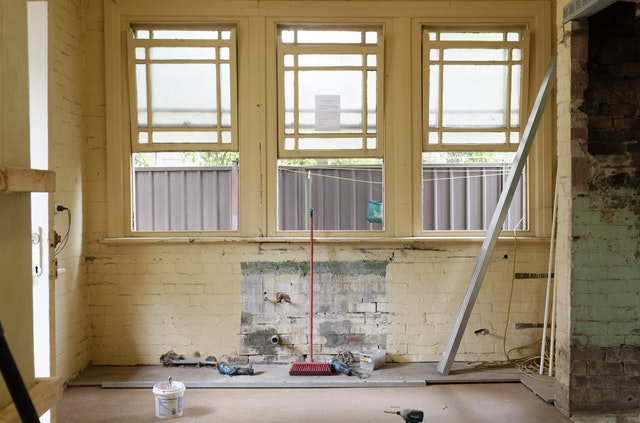
Should You Buy A Fixer UpperPopular TV shows like Fixer Upper and Property Brothers have brought the charms of owning a fixer upper to light. A fixer-upper can be a great option if you are prepared for the experience of owning a house that needs work and time.

A house that needs work can be a great investment if you are ready to invest the time and money into it. On the other hand, buying a fixer upper might be a problem if you are not aware of what you are getting into.

Not sure if owning a fixer upper is worth it? Here are some considerations to think about.

Start With This Easy Equation

Start with the likely market value of the house after renovations will be made. Then, sum up the cost to renovate the home. Then, add another 25 percent to the renovation costs for unforeseen problems that will no doubt come up during the renovation process.

Next, subtract the renovation costs from the probable market value of the house after the renovations are made. Use similar real estate prices in the area to get your estimate.

What number is left? This number what you should offer.

So, if the comparable estimates are $100,000 and the house needs $25,000 in work, then you should offer no more than $75,000 to break even. Most professionals recommend deducting 10 percent from the asking price just to make the investment of time worthwhile.

Determine How You Will Pay

If you buy a fixer-upper, you’re going to need some way to fund the renovations. It can be hard coming up with the funds for repairs and upgrades after paying closing costs. Some options for funding renovations include a renovation loan, like Fannie Mae’s HomeStyle Loan. This loan is rolled right into your mortgage, which makes things easier.

Another popular option is an FHA 203(k) loan. This loan is a little easier to qualify for than the Fannie Mae HomeStyle Loan and it only requires 3.5% down.

Decide If You Want To Invest The Time

Buying a fixer-upper is an investment. You will have to invest your time in making a lot of decisions. You’ll need to decide on things like building materials and aesthetics.

Do you have a design or architectural background? Do you enjoy remodeling projects? These are questions that you’ll really want to think about before buying a fixer upper.

Your trusted mortgage professional will be your best resource to help you secure the right financing for your new home project. 

Filed Under: Real Estate Tagged With: Fixer-Upper, Home Renovations, Real Estate

  • « Previous Page
  • 1
  • …
  • 661
  • 662
  • 663
  • 664
  • 665
  • …
  • 1256
  • Next Page »

Jeff Cost
Sr. Loan Officer

Cincinnati, OH Mortgage Lender
NMLS# 21688


jeffrey.cost@ccm.com

Call (513) 403-6260
Fax (941) 567-5222

Cross Country Mortgage

How can I help?

Connect with Me!

Browse Articles by Category

The Latest Articles

  • Why Small Financial Changes Can Delay Your Closing
  • How a Co-Borrower Can Strengthen Your Mortgage Application
  • What to Do Financially During the 30 Days Before Closing
  • What Lenders Mean When They Ask for Updated Financial Documents
nmlsconsumeraccess.org
Equal Housing Lender

Our Location

CrossCountry Mortgage, LLC
4050 Executive Park Drive, Suite 220
Cincinnati, OH 45242

Personal NMLS21688 Branch NMLS2458257
Company NMLS3029

Copyright © 2026 · Powered by MySMARTblog

Copyright © 2026 · Genesis Sample Theme on Genesis Framework · WordPress · Log in